


At the risk of stating the blindingly obvious the key to Market projects is funding. Support streams, deadlines and eligibility criteria come and go as post-Brexit Britain replaces EU support with MHCLG funding…
The Climate Change Act 2008 has profound implications for many owners of Market Halls. Energy Performance Certificates (EPCs) and Minimum Energy Efficiency Standards (MEES) have applied since 2015 and (wait for it…)
The DLUHC is busily promoting three government-backed schemes to revitalise failing High Streets. The most significant for Markets is the Community Infrastructure Levy which is already in place, whilst two others are still proposals for which competitive bidding…
Every 10 years or so another product defect appears to plague building owners. The latest is RAAC (Reinforced Autoclaved Aerated Concrete). Structural failures of school roofs built of RAAC in the 1970′s and 1980′s is bad news for budget-stricken education authorities…

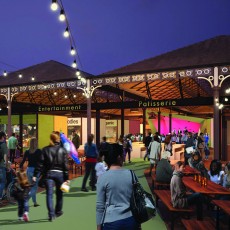
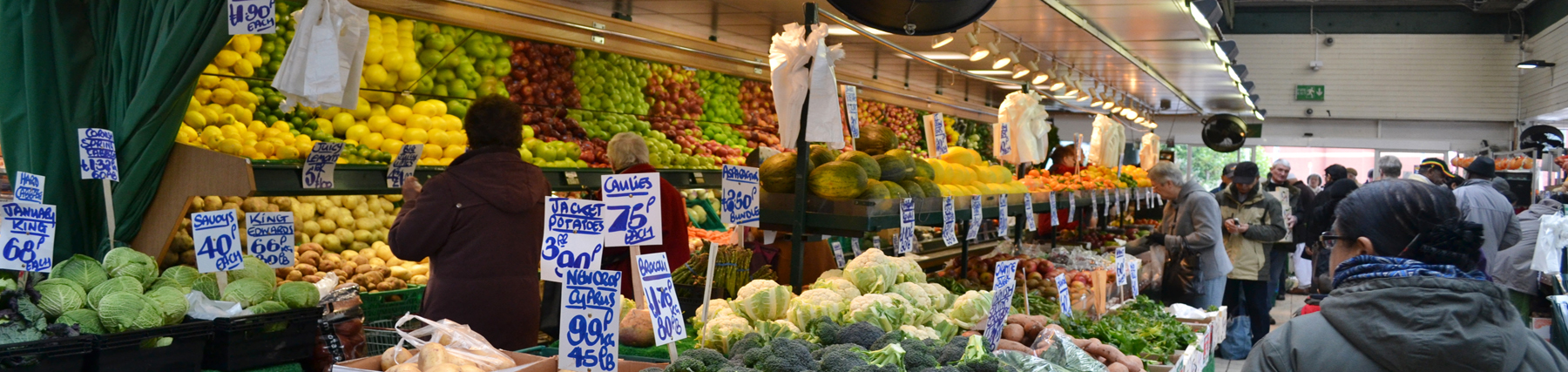
The launch of the redeveloped Wool Market provides a retail and dining experience in Doncaster to show that Markets are still vital to town centre regeneration.
Following extensive input from Quarterbridge Market Developments and Quarterbridge Lettings, Doncaster’s newly refurbished Wool Market has enjoyed a hugely successful first week’s trade.
Government officials took time off from Brexit negotiations last month to launch two crucial initiatives: A ‘traffic light’ scheme from DEFRA proposing retailers add red, amber or green labels to show if their packaging is recyclable. And a ‘calorie cap’ recommendation to limit the size of takeaway pizzas. A pleasant change to worrying about Brexit no doubt but rather missing the point – the need to reduce consumption. Curbing the volume of unnecessary packaging and banning double sausage and egg McMuffins would be a start. Quite how HMG would implement these proposals is not clear. Maybe Brexit will provide an answer.
In retail today we take many things for granted and forget someone had to invent them. Machine-readable barcodes – the basis of stock control and EPOS – were the brainchild of Alan Haberman in the 1970’s but 40 years before then the late Sylvan Goldman, owner of ‘Humpty Dumpty’ grocery stores in Oklahoma invented the ‘greatest ever development in the history of merchandising’ – the shopping trolley.
Buying companies as a going concern is fun. Sometimes. Despite purchasers’ best efforts when sniffing around accounts, staff contracts, order book, supply contracts and other ‘due diligence’ they inevitably spend a couple of years digging up buried bodies:‘Oh sorry, didn’t you know the HQ is built over an old mineshaft?
Consider the UK’s High Streets. Hard on the heels of House of Fraser’s announcement of dozens of closures and the rumours about Debenhams you could almost forget how long they’ve been a bad news story. It was back in 2012 the penny finally dropped they were in trouble and it couldn’t be blamed on the 2008 banking collapse or the previous Labour government.